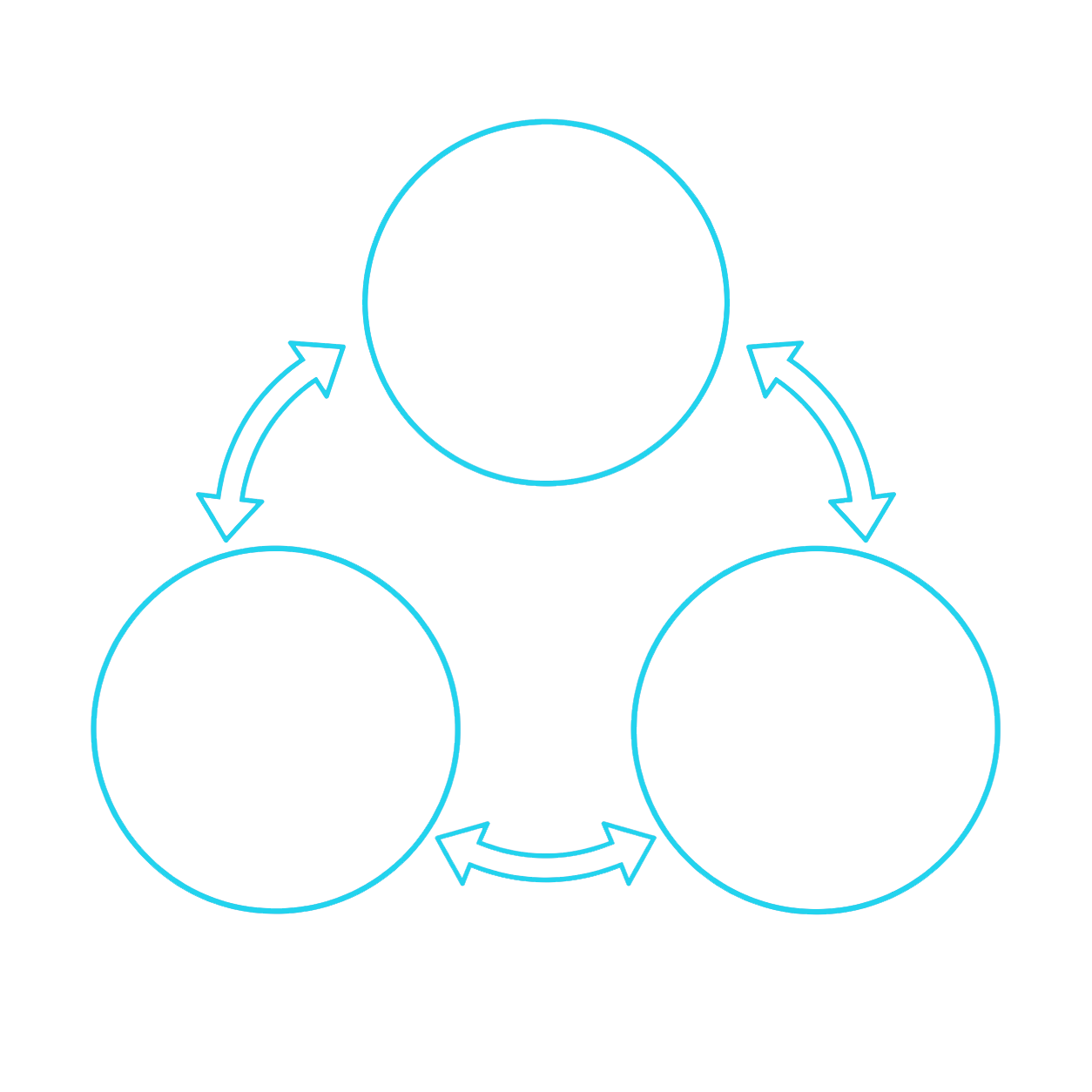
Dynovy combines controlled signal capture, battery modelling, and decision algorithms to deliver reliable assessments despite the limitations of real-world battery data, rather than relying on clean laboratory datasets.
Built for messy, incomplete battery data.
Batteries in the used market rarely have clean histories. Data is missing, proprietary, inconsistently recorded, or hard to compare across chemistries and manufacturers. BMS records are often partial, inaccessible, or simply unreliable as a basis for high-confidence decisions.
Dynovy is designed for that reality.
The Dynovy Stack
Three integrated capabilities that work together to deliver reliable assessments from a short diagnostic window.
Hardware-enabled signal capture
Controlled diagnostic windows generate electrochemical response signals directly from the battery. Our approach does not rely solely on historical BMS data; instead, we create the inputs we need.
Physics-informed battery models
Physics-based battery models interpret battery condition, degradation, and risk. Grounded in electrochemical first principles, our approach provides greater transparency and reliability than generic black-box AI applied to battery data.
Low-data decision algorithms
Designed to work with sparse and imperfect data. Our algorithms surface actionable assessments even without full charge-cycle histories, enabling confident routing decisions in real operational conditions.
From battery behaviour to decision outputs.
The goal is not to replace every test. It is to help operators decide more quickly what deserves deeper testing, reuse, repurposing, recycling, or isolation, so effort is focused where it creates the most value.
Built with a protected technical core.
Dynovy does not publicly disclose sensor configuration, test protocols, model architecture, or proprietary diagnostic methods. These form the core of our competitive advantage and are protected accordingly.
Validation partners can engage with our technical approach under an appropriate confidentiality framework. We welcome serious conversations with operators, researchers, and industry partners who require deeper technical visibility.
Discuss validation